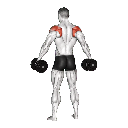
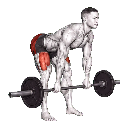
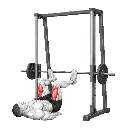
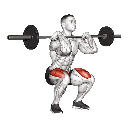

Why Upper/Lower Works
A 4-day upper/lower split divides training into upper-body and lower-body sessions. The main advantage is frequency: most muscles and movement patterns are trained twice per week, which gives you more chances to practice, progress, and distribute volume.
It is also easier to recover from than many high-volume body-part splits. Instead of burying one muscle group in a single giant session, you can spread hard sets across the week and keep performance higher.
Weekly Layout
| Day | Workout |
|---|---|
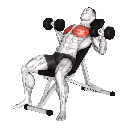
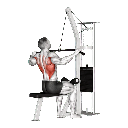
| Monday | Upper A: bench focus, row, incline press, pulldown, delts, arms. |
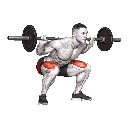
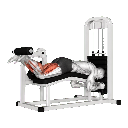
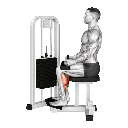
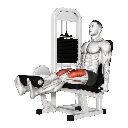
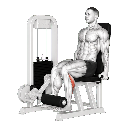
| Tuesday | Lower A: squat focus, hinge accessory, leg curl, calves, trunk. |
| Thursday | Upper B: overhead or incline focus, pull-up or pulldown, row, chest accessory, arms. |
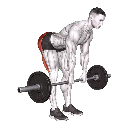
| Friday | Lower B: deadlift or hip hinge focus, squat accessory, leg press, hamstrings, trunk. |
The exact days can move. What matters is avoiding four hard sessions in a row unless your volume and loads are deliberately conservative.
Exercise Selection
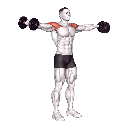
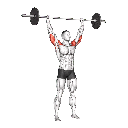
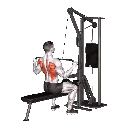
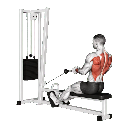
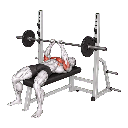
- Upper days should include a press, a row, a vertical pull or second row, delt work, and optional arms.
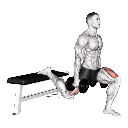
- Lower days should include a squat pattern, a hinge pattern, knee-flexion hamstring work, calves or trunk work, and optional single-leg work.
- Use one or two main lifts per session. Make the rest supportive rather than turning every exercise into a max-effort event.
- Keep exercise swaps close to the original training goal: incline dumbbell press can replace incline barbell press; leg press can replace a squat accessory.
At a Glance
- Day 1Upper A
Lift group Sets × Reps Bench focus 4×5–8 Row 4×6–10 Incline press 3×8–12 Pulldown / pull-up 3×8–12 Delts / arms 2–3×12–20 - Day 2Lower A
Lift group Sets × Reps Squat focus 4×5–8 Hinge accessory 3×8–10 Leg curl 3×10–15 Calves / trunk 3×10–15 - Day 3Upper B
Lift group Sets × Reps Overhead / incline focus 4×5–8 Pull-up / pulldown 4×8–12 Row 3×8–12 Chest accessory 3×8–10 Arms 2×12–20 - Day 4Lower B
Lift group Sets × Reps Deadlift / hinge focus 2–4×3–6 Squat accessory 3×10–15 Leg press 3×6–10 Hamstrings / trunk 3×10–15
Progression Rules
For main lifts, use a clear loading rule: add weight after hitting the planned reps with stable technique, or repeat the load when reps are close but not complete. For accessories, use rep ranges and controlled execution. Do not let accessory load jumps ruin the main lift you are trying to support.
The split only works long term if progression respects recovery across the full week. If multiple sessions drop in quality, repeat the load or reduce volume before forcing more weight.
Tracking The Split In Olympian
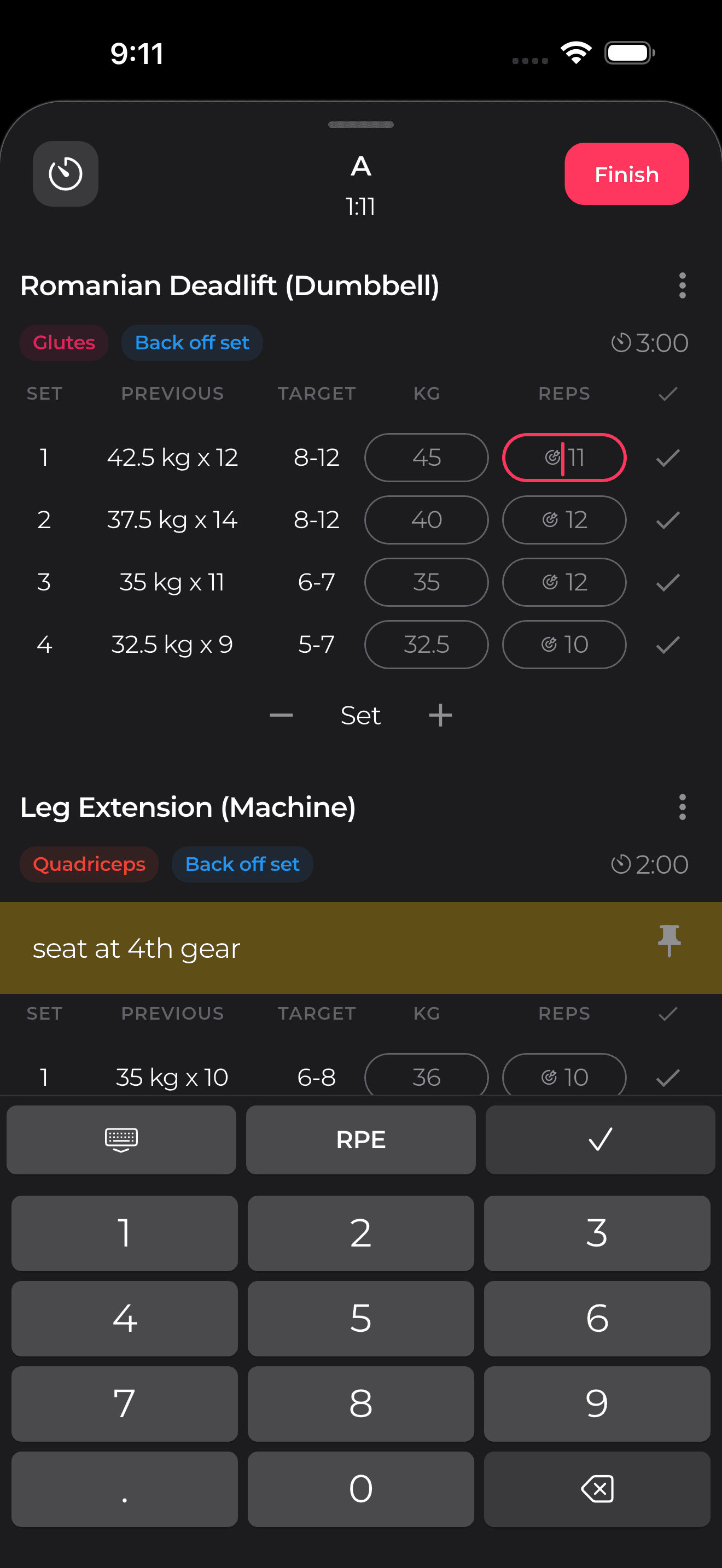
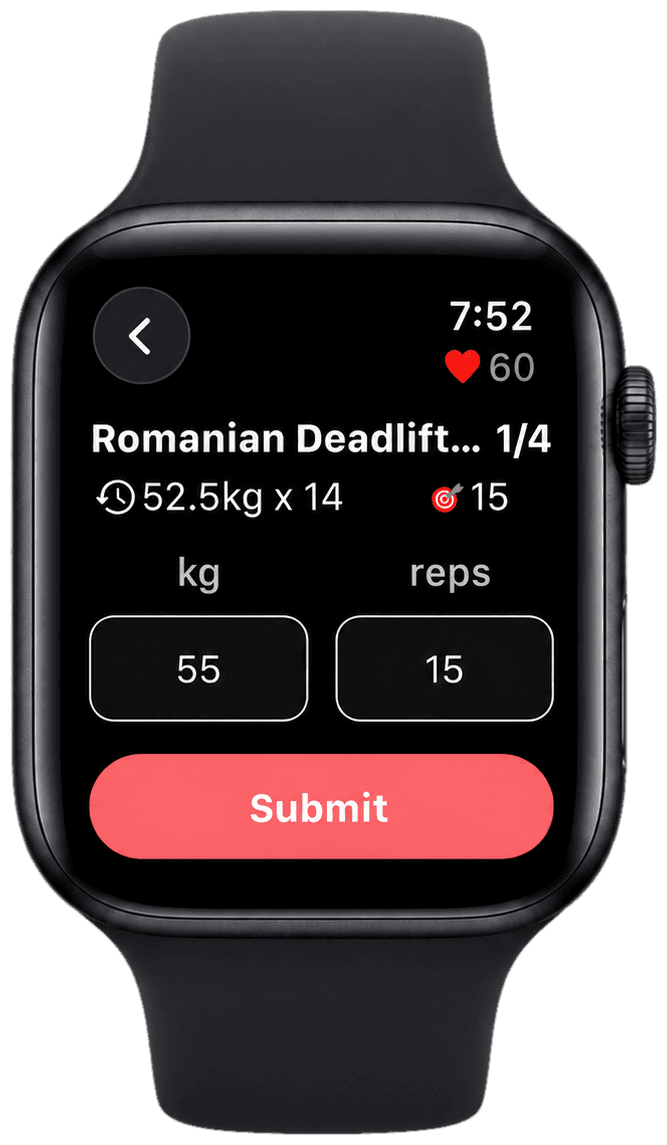
Create four named workouts in Olympian: Upper A, Lower A, Upper B, and Lower B. Attach built-in progressions to the priority lifts and use exercise swaps for accessories that stop fitting your body or equipment.
The biggest benefit is pattern visibility. If every lower day starts falling apart, that is a recovery signal. If rows keep improving while presses stall, your program may need a pressing-volume or exercise-selection adjustment. Olympian keeps those signals connected to the plan.