What Training Volume Means
Training volume usually means the amount of work you perform. For muscle growth, the most practical unit is hard sets per muscle per week. A hard set is challenging enough to matter, not just a warm-up or a casual pump set.
Volume matters because muscles need enough stimulus to adapt. But more is not automatically better. Past a certain point, extra sets can add fatigue faster than they add growth.
Useful Set Ranges
| Weekly hard sets | How to interpret it |
|---|---|
| Low: 4-8 | Useful for maintenance, beginners, or muscles that recover poorly. |
| Moderate: 8-14 | A common productive range for many muscles and lifters. |
| High: 14-20+ | Can work when recovery, exercise selection, and effort are managed well. |
| Too high | Performance falls, joints complain, soreness lingers, and motivation drops. |
These are not laws. They are starting points. Your recoverable volume depends on sleep, food, stress, exercise choices, technique, and how close you train to failure.
Volume Without Progress Is Just Work
A common mistake is adding sets whenever progress slows. Sometimes that is correct. Other times the better fix is improved exercise execution, a deload, more recovery, or a more specific progression rule.
- Add volume when performance is stable and recovery is good but stimulus seems low.
- Hold volume when lifts are progressing and soreness is manageable.
- Reduce volume when performance drops across multiple sessions.
- Swap exercises when the set count is high but the target muscle is not being challenged well.
How To Track Volume
Track hard sets by muscle group, not just exercises. Bench press contributes to chest, front delts, and triceps; rows contribute to back and biceps. You do not need perfect accounting, but you do need enough visibility to avoid random programming.
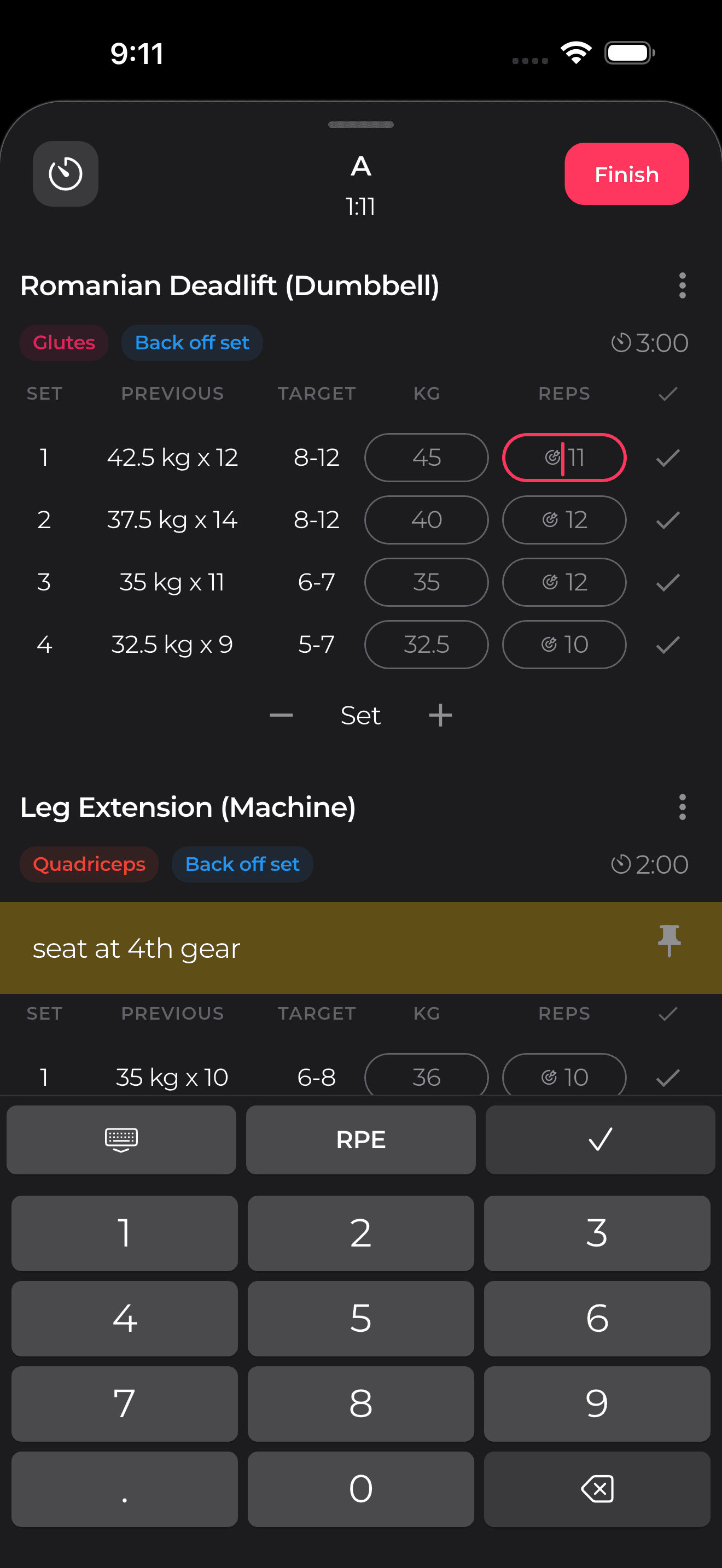
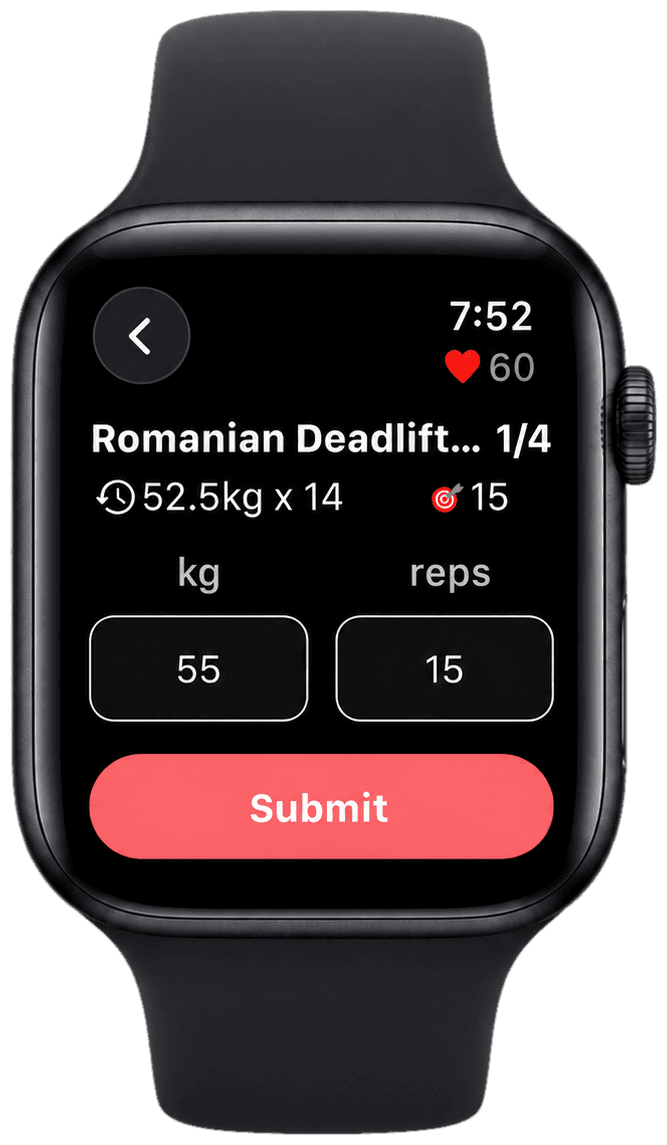
Olympian helps by keeping workout history, progression targets, swaps, and analytics together. Instead of guessing whether you are doing too much or too little, you can compare volume against performance and recovery trends.
A Practical Adjustment Rule
- Performance rising — hold volume. The current dose is already working.
- Performance flat — check recovery: sleep, nutrition, stress, and effort.
- Still flat after recovery is dialed in — add one hard set to the lagging lift.
- Performance dropping — reduce volume before forcing more weight.
Do not add volume just because you can. Add it when the signal says it is likely to help.