What A Deload Is
A deload is a short period where you reduce training stress. That can mean less load, fewer sets, fewer reps, lower effort, easier exercise variations, or some combination of those. The goal is to dissipate fatigue while keeping the training habit and movement pattern alive.
Deloads are useful because progress is not only about stimulus. It is stimulus plus recovery. If fatigue keeps accumulating, your logged numbers can stop reflecting your real strength or muscle-building potential.
When To Deload
- Multiple lifts regress for more than one session.
- Warm-ups feel unusually heavy across the week.
- Joints ache and technique feels harder to control.
- Sleep and motivation are poor even before training starts.
- You keep missing targets that used to be repeatable.
One bad workout is not automatically a deload signal. Look for patterns. A deload is most useful when fatigue is systemic, not when one lift had a normal off day.
How To Deload
| Method | Use When |
|---|---|
| Reduce load | Main lifts feel heavy and technique is slowing down. |
| Reduce sets | Soreness and weekly fatigue are accumulating. |
| Reduce effort | You need practice without grinding near failure. |
| Change exercises | Joints need a break from a specific movement pattern. |
A simple deload week might keep the same workouts but use fewer sets and easier loads. You should leave the gym feeling better than when you started, not like you secretly tested yourself again.
Common Deload Mistakes
- Waiting until performance collapses completely.
- Turning the deload into a max test because the weights feel light.
- Changing every exercise at once and losing useful continuity.
- Using deloads to avoid fixing sleep, food, or unrealistic volume.
How Olympian Helps
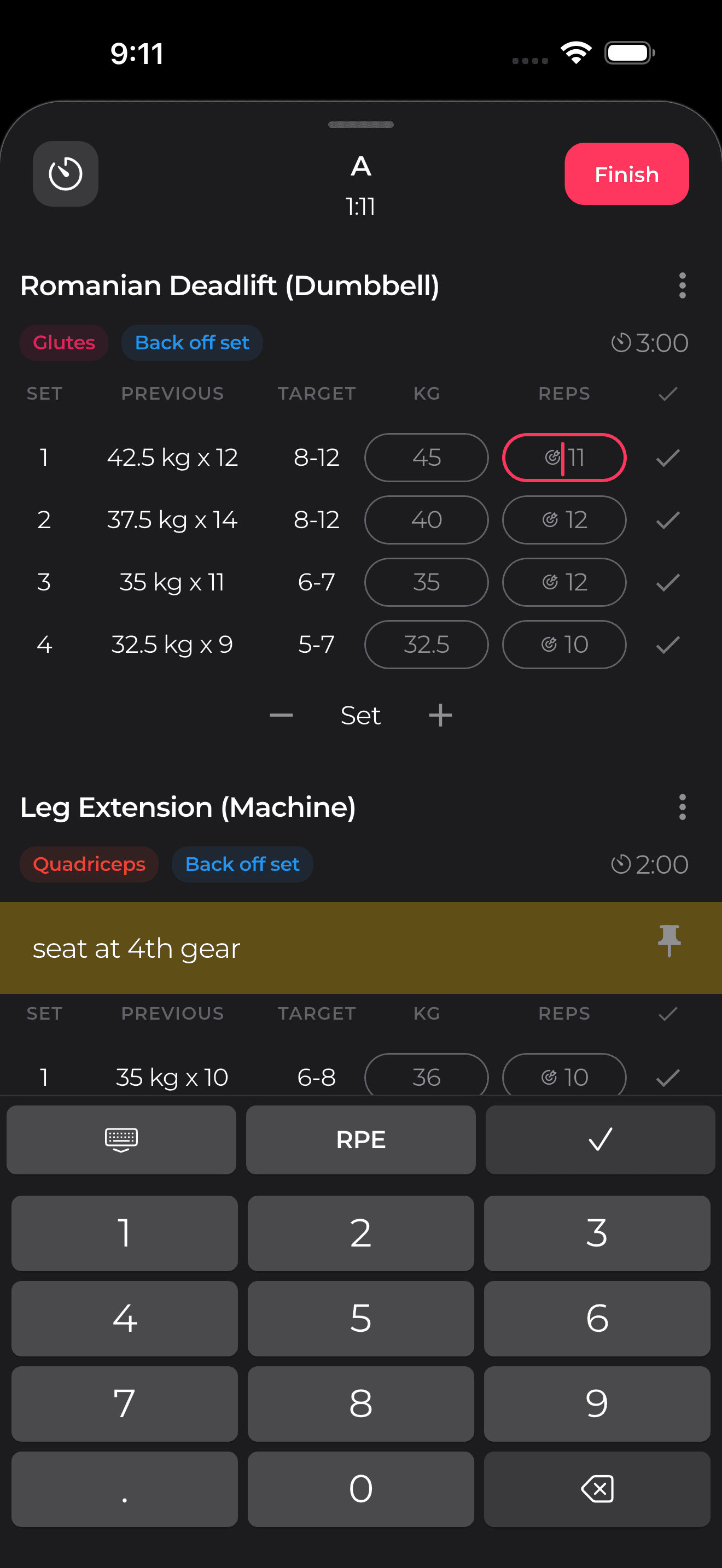
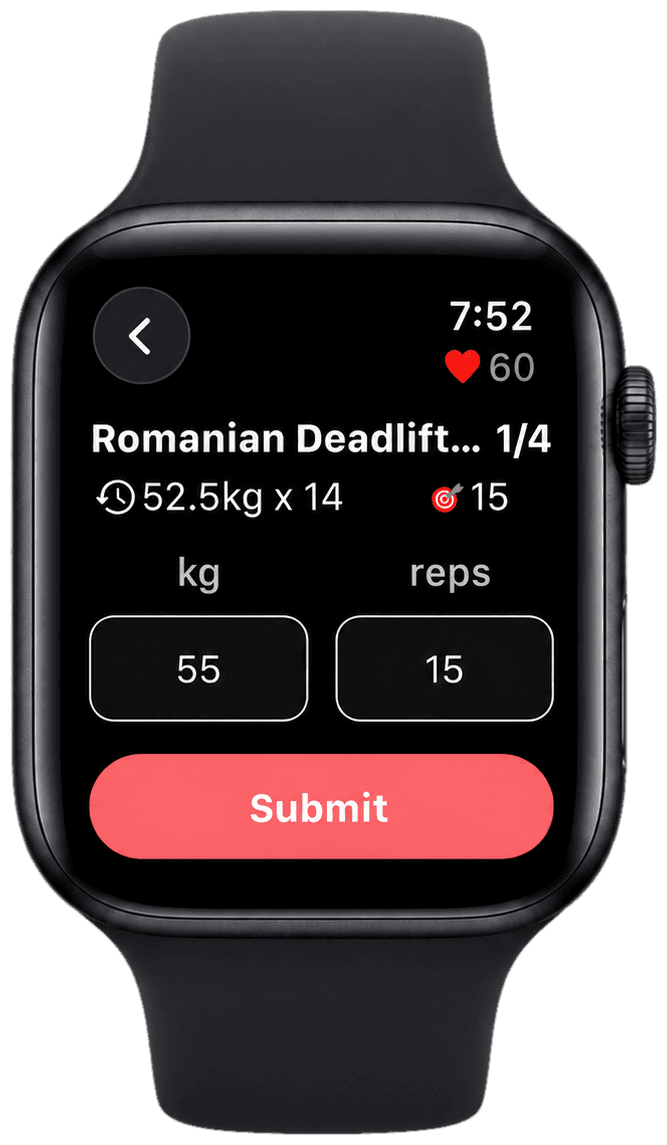
Olympian makes deload decisions easier because your training history, missed targets, rep trends, and progression rules live in the same system. Instead of guessing from mood alone, you can see whether performance is consistently dropping and whether fatigue is spreading across the plan.
The long-term goal is not to deload more often. It is to deload at the right time so your next progression phase is cleaner.