
What Is a 5x5 Workout?
A 5x5 program usually means five sets of five reps on several main barbell lifts, with heavy deadlifts often using fewer work sets. Most versions use a small group of compound exercises because they train a lot of muscle and make progress easy to measure.
- Squat
- Bench press
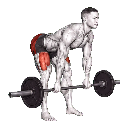
- Deadlift
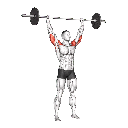
- Overhead press
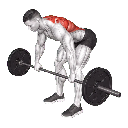
- Barbell row
Classic 5x5 structures usually use three full-body sessions per week with at least one rest day between lifting days. This article is not affiliated with any branded 5x5 program. It is a practical guide to running a 5x5-style strength plan in Olympian.
Who 5x5 Works Best For
5x5 is best for lifters who want a straightforward strength plan and are comfortable practicing the same lifts often. It rewards consistency, technique, and small jumps over time.
- You want to get stronger on the squat, bench, press, row, and deadlift.
- You like simple rules and repeatable workouts.
- You can train three days per week.
- You have enough technique skill to add load safely.
- You want measurable progression without maintaining a spreadsheet.
If you are brand new to lifting, spend time learning the lifts with lighter loads first. A program is only useful if your technique is stable enough to progress.
A Simple 5x5 Weekly Setup
A clean weekly setup is three lifting days. Day 1 might use squat, bench press, and row. Day 2 might use squat, overhead press, and deadlift. Day 3 can return to squat, bench or press, and row.
Some lifters deadlift for fewer sets because heavy deadlifts create more fatigue than most upper-body lifts. The point is not to force every lift into the exact same workload. The point is to keep the plan recoverable enough to progress.
How Progression Should Work
The basic 5x5 progression is simple: complete all planned reps with good form, add a small amount of weight next time, repeat until reps are missed, then adjust when progress stalls.
- One missed rep after poor sleep may not mean anything.
- Repeated misses on the same lift usually mean the progression needs an adjustment.
- Grinding every set for weeks is a warning sign, not proof the plan is working.
- A deload is a tool for keeping the block moving, not a punishment.
How to Set Up 5x5 in Olympian
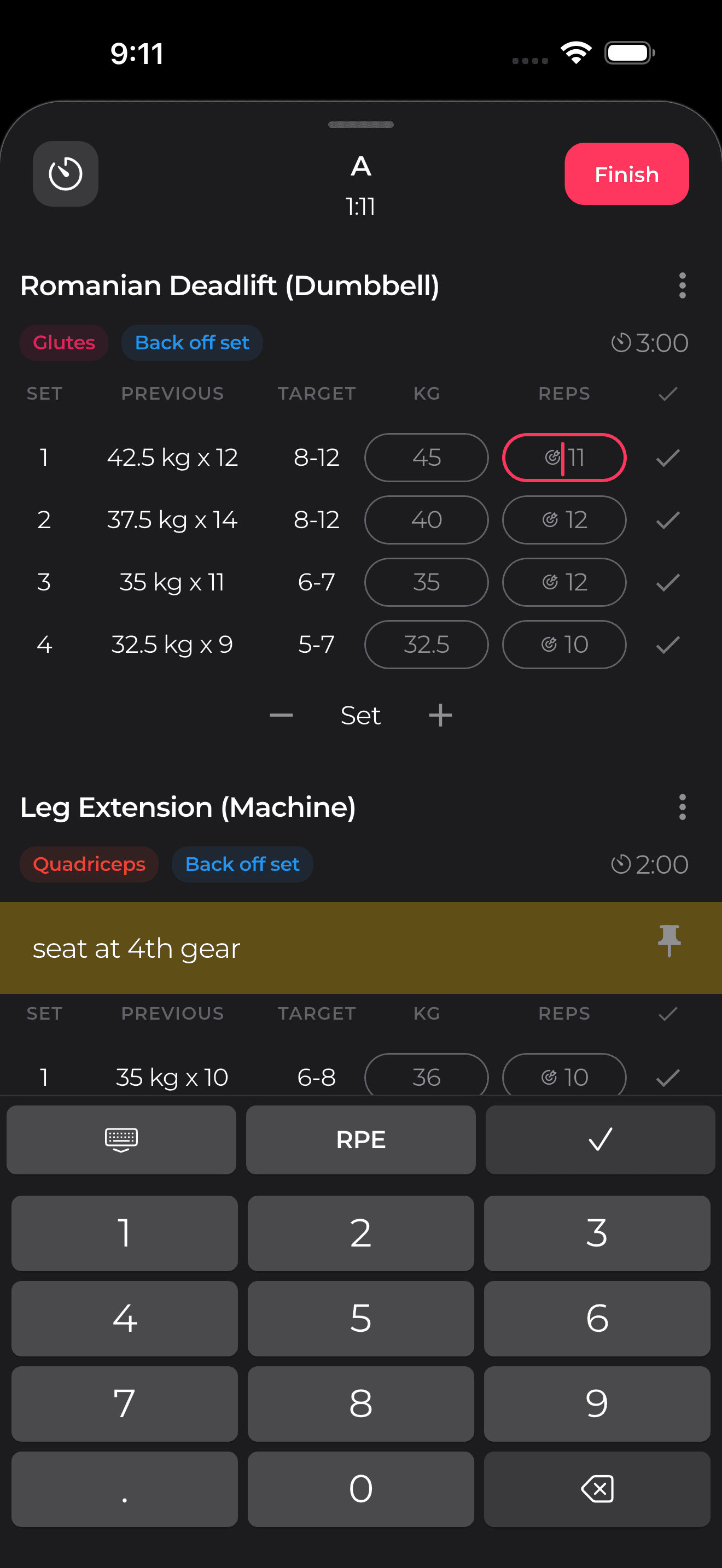
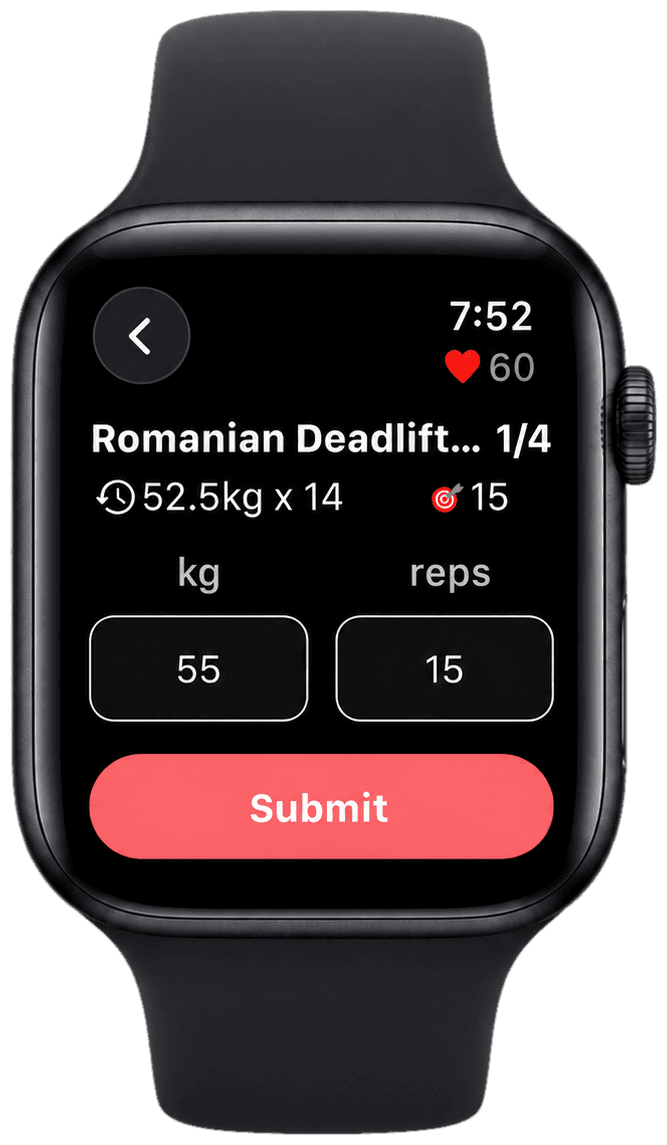
Create recurring 5x5 workout days in Olympian, then add the main lifts and targets for each session. The important part is not just storing the workout. It is using the app's progression system to manage what happens after successful sessions, missed reps, repeated stalls, and recovery issues.
- Set main lift targets for the 5x5 structure, including a lighter deadlift work-set target when your version calls for it.
- Use built-in progressions after successful workouts.
- Use deload behavior when performance repeatedly drops.
- Use exercise swaps when a movement consistently irritates joints or stalls.
- Use analytics to watch strength and volume trends across the block.
Common 5x5 Mistakes
- Starting too heavy and turning week one into a test.
- Cutting rest periods so short that later sets fail from conditioning, not strength.
- Ignoring accessories forever even when upper back, hamstrings, abs, or unilateral work would help.
- Treating every missed rep the same instead of looking at the pattern.
Olympian helps because it keeps the pattern visible. A random bad workout and a repeated plateau should not lead to the same adjustment.
5x5 At a Glance
The simple progression loop
- 01Complete targets
- 02Add small load
- 03Repeat
- 04Miss reps?
- 05Repeat / Deload / Swap
One bad day is noise. A repeated pattern is the signal.
Bottom Line
5x5 works because it is simple, repeatable, and measurable. But the simplicity only pays off when progression is managed intelligently.
Olympian gives the program a better operating system: workout logging, built-in progressions, rep targets, exercise swaps, deloads, analytics, coaching, and strength ranks. That turns 5x5 from a spreadsheet routine into a guided training block you can run in the gym.