What Progressive Overload Means
Progressive overload means increasing the useful training stress your body adapts to over time. For strength and muscle growth, that stress can come from more load, more reps, better technique, more hard sets, shorter rest where appropriate, or cleaner execution at the same weight.
The mistake is treating overload like a weekly math rule. If you add weight while reps collapse, form degrades, and fatigue spikes, you did not create better training. You only made the logbook heavier.
The Main Ways To Progress
- Add load when the target reps feel controlled and repeatable.
- Add reps when the weight is still productive but not ready for a jump.
- Add sets when volume is too low to drive progress and recovery is still good.
- Improve technique when the same numbers become cleaner and more consistent.
- Hold steady when fatigue is high and forcing progress would be noise.
Most lifters need more than one progression lever. A beginner may add weight often. An intermediate lifter might need rep targets, exercise swaps, and deload timing to adapt as performance and recovery change.
A Practical Progression System
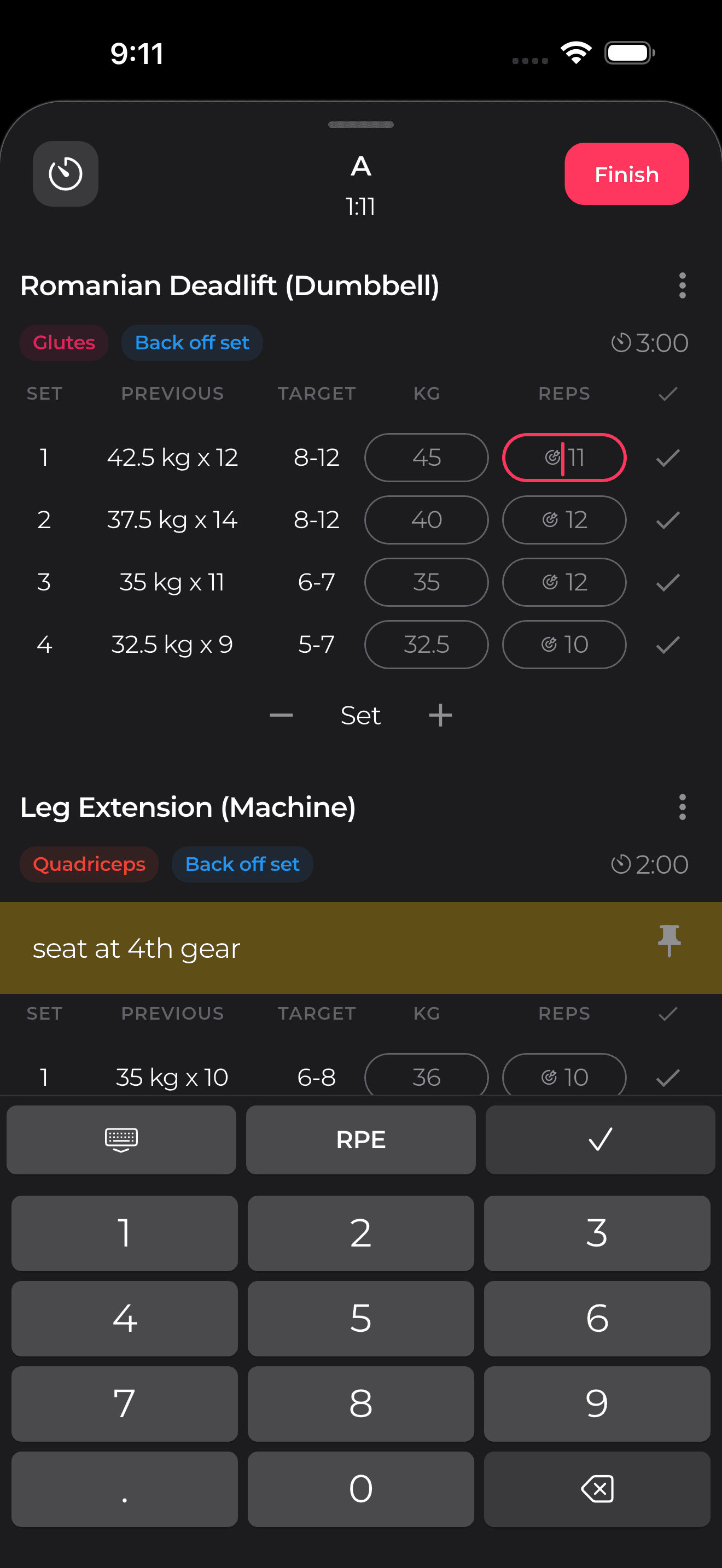
Use a rep range and let performance decide the next move. For example, if your dumbbell bench press target is 8-12 reps, keep the same weight until your working sets reach the upper end with solid form. Then increase the weight and let reps fall back toward the lower end.
- If reps improved at the right effort, the next target can move up.
- If reps are flat but effort is lower, the plan can keep building without a dramatic change.
- If an exercise stalls repeatedly, a swap can keep the muscle group progressing.
- If fatigue keeps rising, a deload can protect the training block instead of waiting for burnout.
How Olympian Helps
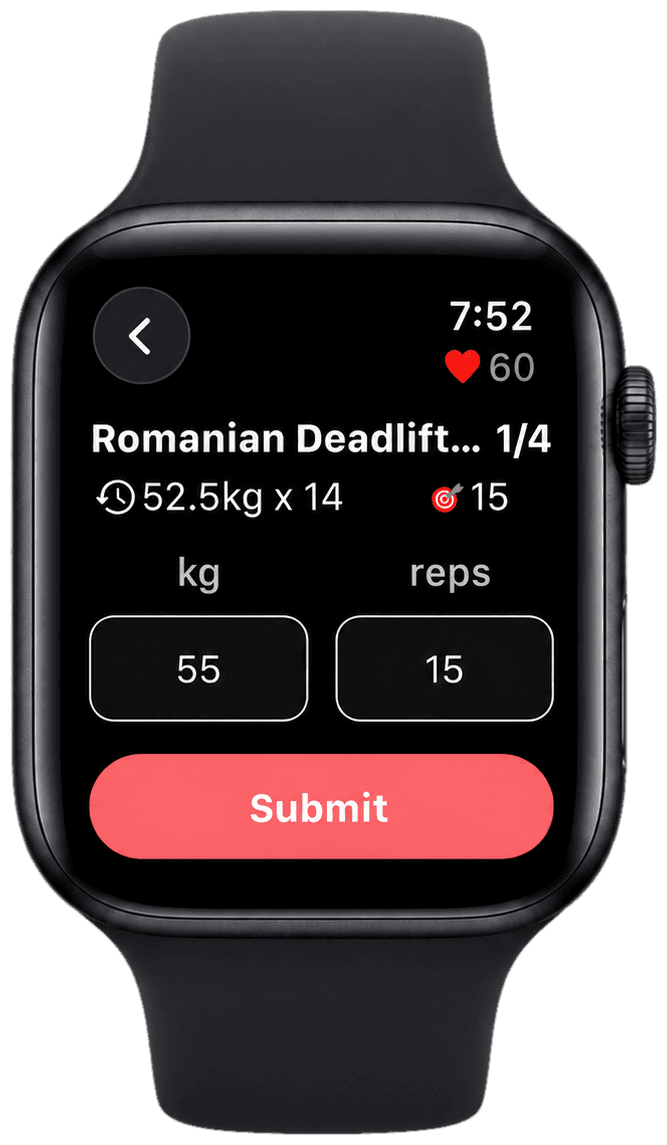
Olympian is built around the idea that progression should be part of the app, not a spreadsheet you maintain on the side. Your logged performance feeds automated progressions, rep targets, recovery-aware adjustments, exercise swaps, and deloads.
The goal is not to chase personal records every workout. The goal is to follow a training system that knows when to push, when to hold, when to swap, and when to back off.