
What Push Pull Legs Means
A push pull legs routine separates training by movement pattern. Push days train chest, shoulders, and triceps. Pull days train back, rear delts, and biceps. Leg days train quads, hamstrings, glutes, calves, and trunk as needed.
The structure is intuitive, which is why it is so popular. But intuitive does not automatically mean well programmed. The plan still needs weekly volume targets, progression rules, exercise swaps, and deload decisions.
3-Day vs 6-Day PPL
| Version | Best For |
|---|---|
| 3-day PPL | Busy lifters, beginners, or anyone who recovers better with more rest days. |
| 6-day PPL | Intermediate lifters who can recover from higher weekly frequency and volume. |
| Rotating PPL | Lifters who train every other day and do not need the same weekdays each week. |
Most people should earn the 6-day version. If three days are not progressing because effort, sleep, and consistency are poor, doubling the number of sessions usually adds noise rather than results.
Example Plan
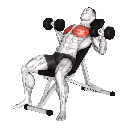
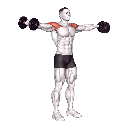
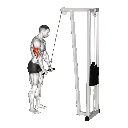
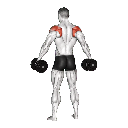
- Push: bench press or incline press, overhead press, machine or dumbbell press, lateral raise, triceps extension.
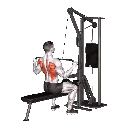
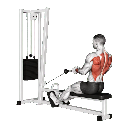
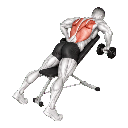
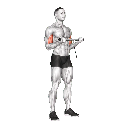
- Pull: pull-up or pulldown, row, second row or pullover, rear delt raise, curl.
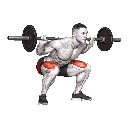
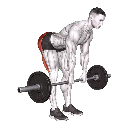
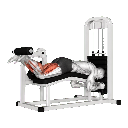
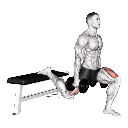
- Legs: squat or leg press, Romanian deadlift, leg curl, split squat or lunge, calf raise.
A 6-day version can use heavier first sessions and more hypertrophy-focused second sessions. For example, Push A might focus on bench press, while Push B uses incline dumbbell press and higher-rep delt work.
Progression And Volume
PPL routines often become too large because every muscle gets its own favorite exercise. Start with enough volume to progress, not the maximum you can survive. Add hard sets only when performance and recovery justify it.
- Progress compounds with load or reps when technique is stable.
- Progress isolation work with reps first, then small load jumps.
- Watch overlap: pressing volume also stresses triceps and front delts.
- Deload when multiple sessions degrade, not only when one lift has a bad day.
At a Glance
- PushChest, shoulders, triceps
Lift group Sets × Reps Bench / incline press 3×6–10 Overhead / machine press 3×6–10 Press accessory 3×8–12 Lateral raise 3×12–20 Triceps 3×10–15 - PullBack, rear delts, biceps
Lift group Sets × Reps Pull-up / pulldown 3×8–12 Row 3×8–12 Second row / pullover 3×8–12 Rear delt raise 3×12–20 Curl 3×10–15 - LegsQuads, hamstrings, glutes
Lift group Sets × Reps Squat / leg press 4×6–10 Romanian deadlift 3×8–10 Leg curl 3×10–15 Split squat / lunge 2×8–12 Calf raise 3×10–15
How Olympian Helps PPL Stay Organized
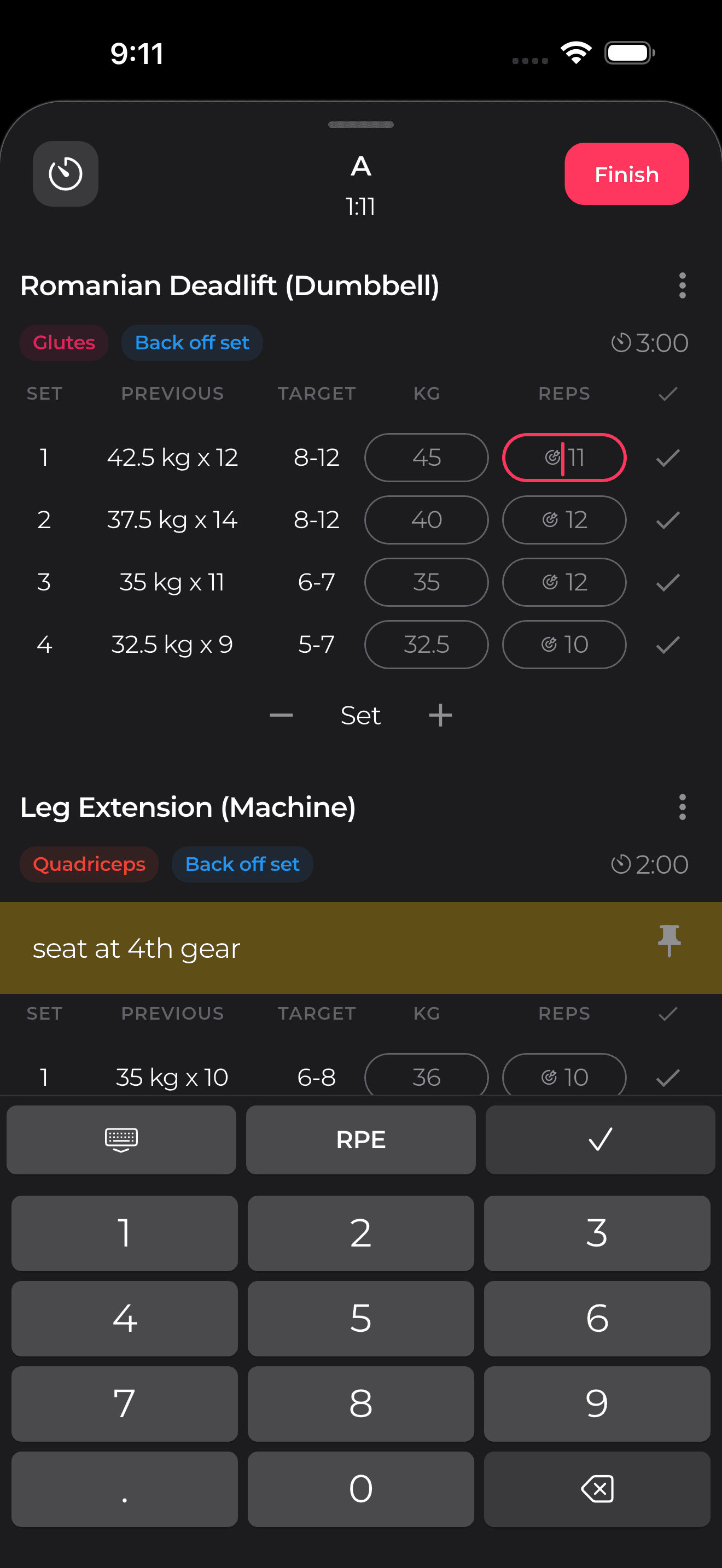
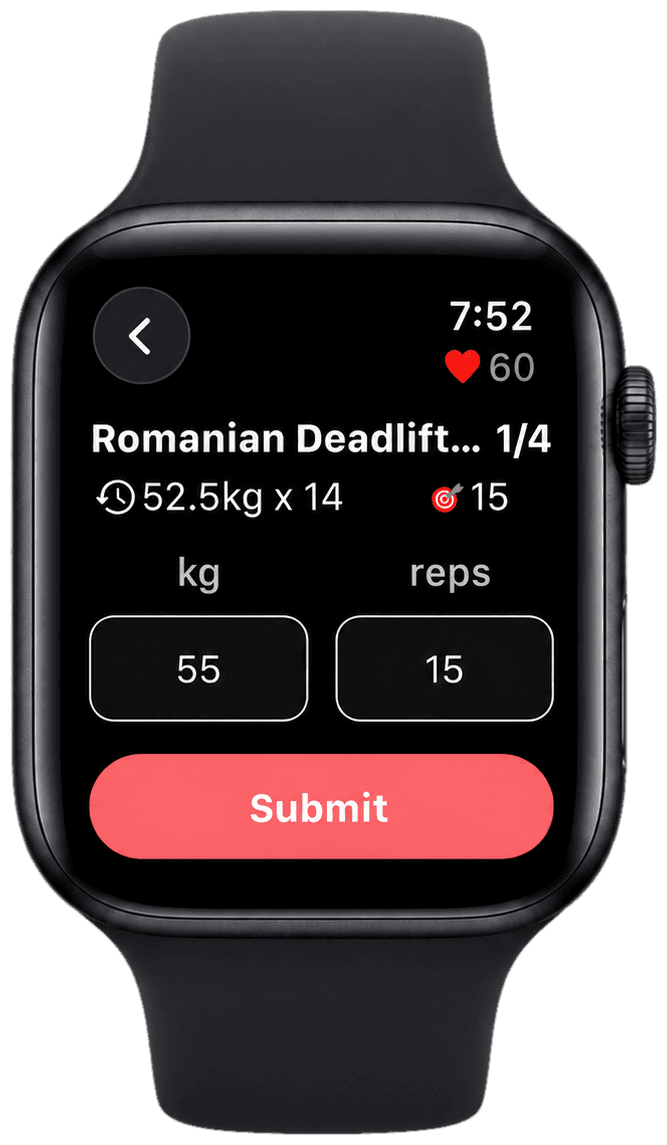
Create Push, Pull, and Legs workouts in Olympian, then duplicate or vary them if you run a 6-day split. The app keeps rep targets, progression rules, swaps, deloads, and analytics attached to the exercises instead of leaving you to manage the routine from memory.
That matters because PPL has many moving parts. Olympian helps show whether your push days are outpacing your pull days, whether leg volume is recoverable, and whether exercise swaps are improving consistency.