Squat Setup
Start with a stance you can repeat. Most lifters do well somewhere around shoulder width with toes slightly turned out, but the right stance depends on hip structure, ankle mobility, bar position, and goal. The test is whether you can hit depth with balance and control.
Brace before you descend. Think about creating pressure around the trunk, not just arching the lower back. The bar should feel connected to your torso before the first rep starts.
Depth And Execution
- Descend under control instead of relaxing into the bottom.
- Keep the whole foot connected to the floor.
- Let knees travel in the direction of the toes.
- Use a depth that fits your goal and mobility while staying consistent.
- Drive up without losing the brace or shifting dramatically forward.
Programming The Squat
Squats are productive but expensive. They create a large systemic fatigue cost, especially when trained hard and heavy. That does not mean you should avoid them; it means squat volume has to fit the rest of the lower-body week.
| Variation | Useful For |
|---|---|
| Back squat | General strength, heavy loading, full-body bracing practice. |
| Front squat | Quad emphasis, upright torso, lighter absolute loads. |
| Paused squat | Position strength and bottom control. |
| Leg press | Extra quad volume with less skill and bracing demand. |
Progression Rules
Add load when depth, bar path, and rep speed stay consistent. If every increase turns the squat into a different lift, you are not building the same pattern. For hypertrophy, rep-range progression and controlled volume often beat constant heavy singles.
When squats stall, check sleep, food, lower-body volume, and deadlift fatigue before assuming you need more intensity.
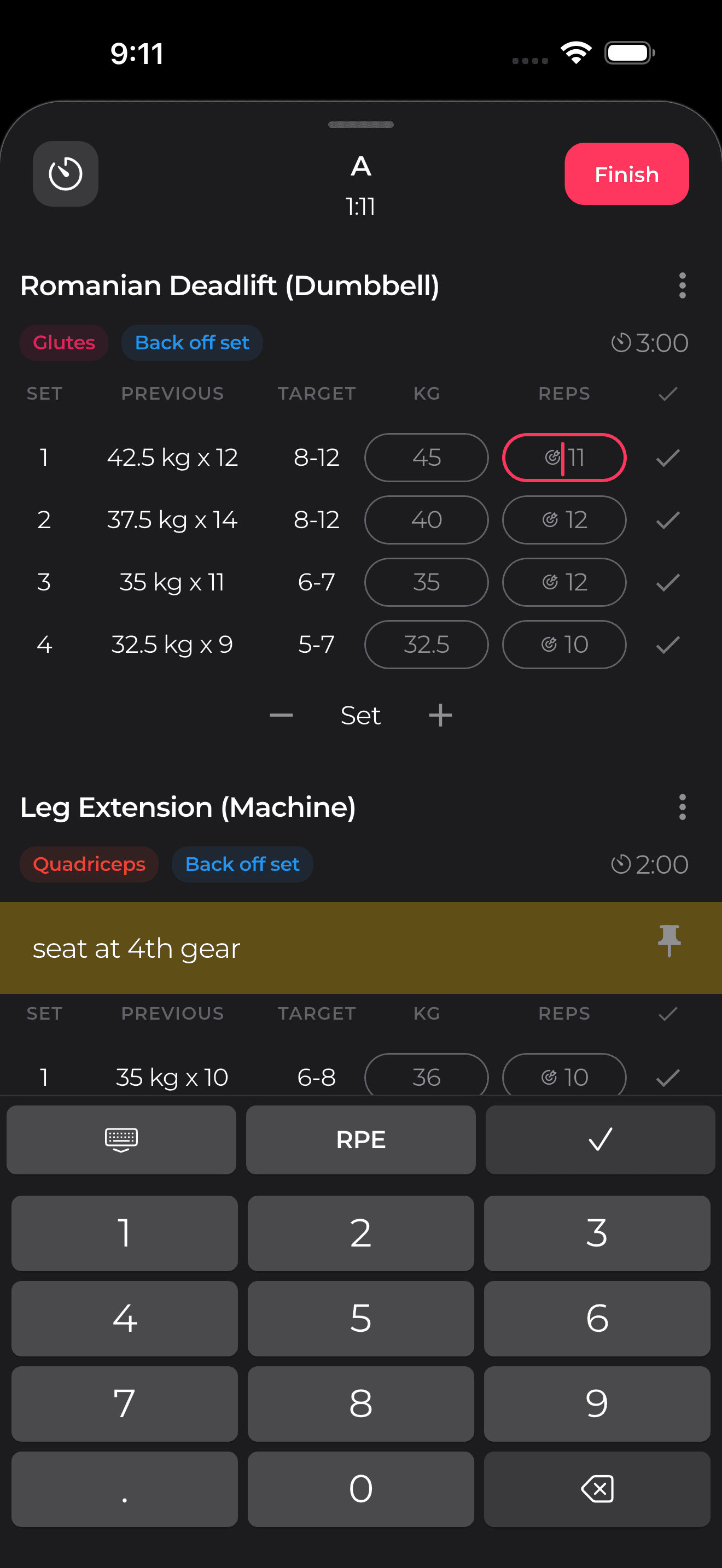
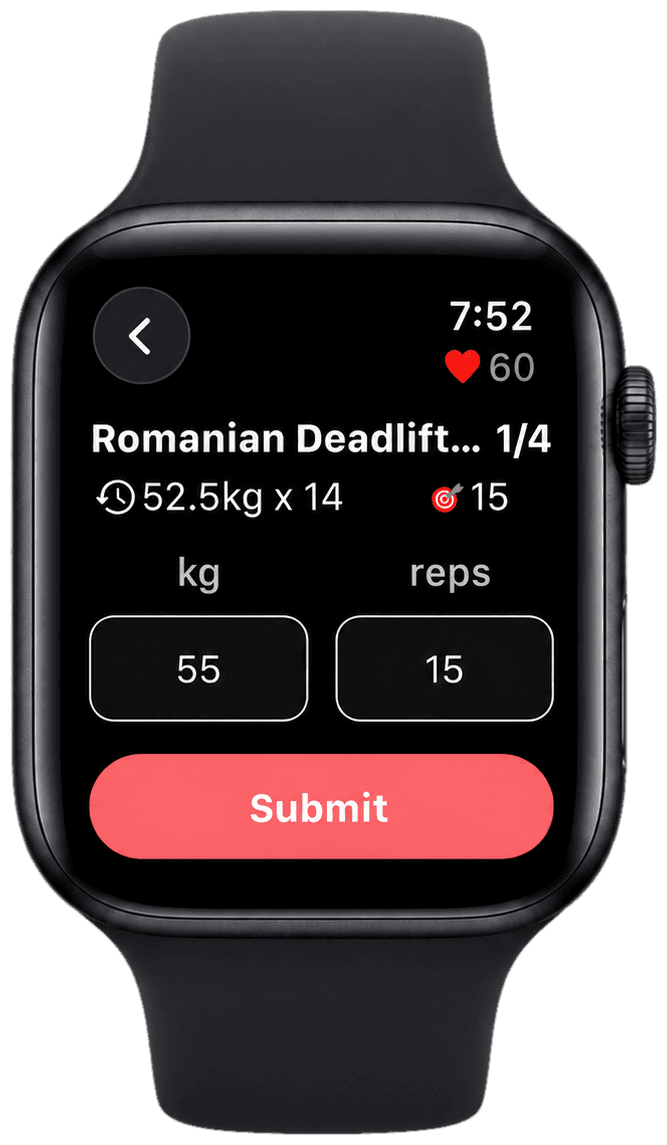
Tracking Squats In Olympian
Olympian helps you connect squat performance to the rest of the plan. If squat day keeps dragging after deadlift day, the schedule may need adjustment. If a variation improves while the main squat does not, the issue may be specificity. Tracking makes those patterns visible.