
What Is 5/3/1?
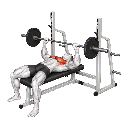
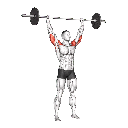
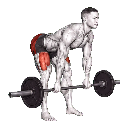
5/3/1 is a strength training system built around four main lifts: squat, bench press, deadlift, and overhead press. Each main lift is trained with planned loading based on a training max rather than a true all-out max.
The program is known for steady long-term progress, submaximal training, and flexible assistance templates. This article is not affiliated with Jim Wendler or 5/3/1. For the full official system, read Wendler's books and official material.
Why the Training Max Matters
The training max is one of the smartest parts of 5/3/1-style training. Instead of calculating work from your true one-rep max, you use a lower number. That gives the program room to breathe.
- The weights are heavy enough to train strength.
- The sets are not so heavy that every week becomes a max-out.
- Technique is easier to keep consistent.
- Progress has room to accumulate over months.
The Core Weekly Pattern
Most 5/3/1-style cycles rotate through heavier and lighter rep targets across the main lift. The exact loading depends on the version you are running, so avoid blindly copying random internet tables.
- Which main lift is trained that day.
- The target sets and reps.
- The top set or PR set.
- Whether the work was completed cleanly.
- Assistance work volume.
- Performance trends over multiple cycles.
How to Set Up 5/3/1 in Olympian
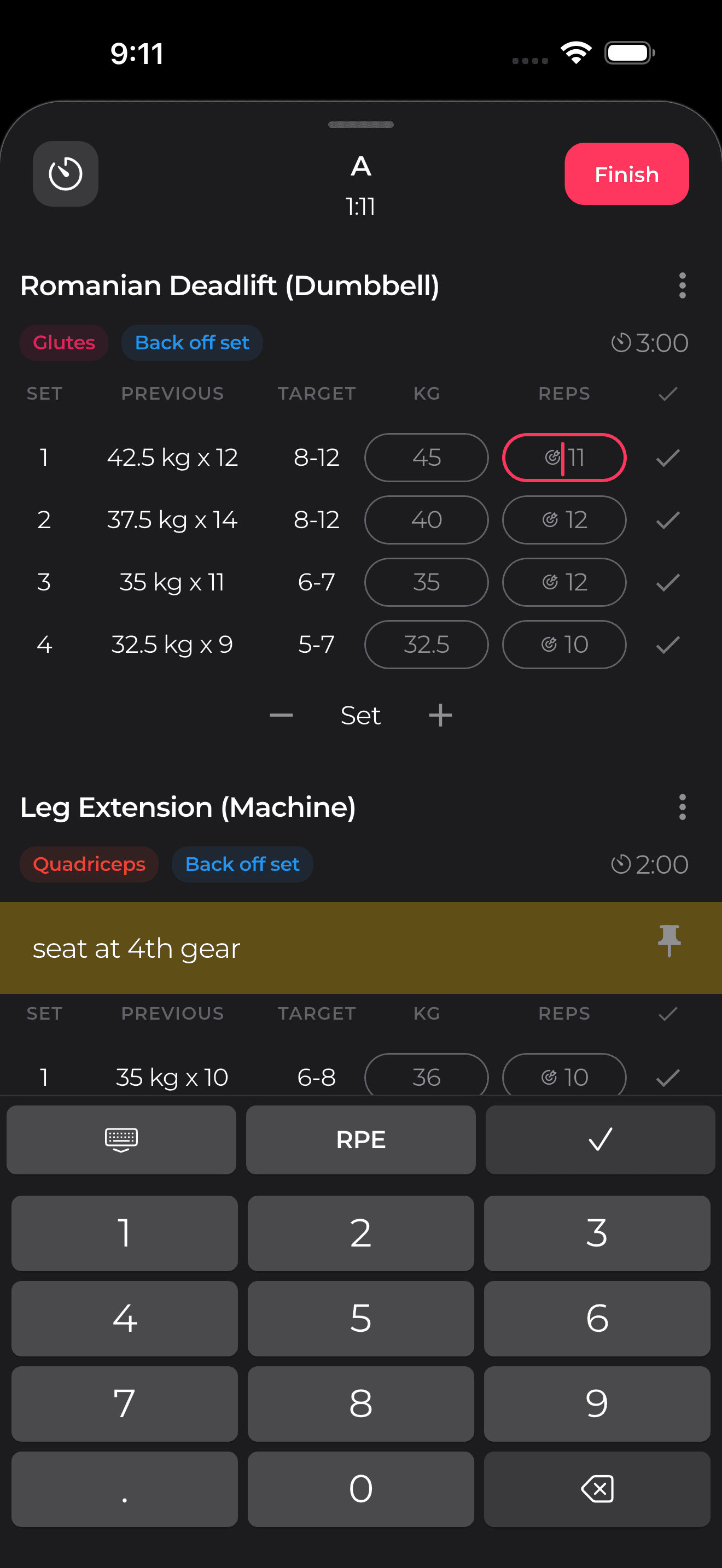
Create four main training days in Olympian: squat day, bench day, deadlift day, and press day. For each day, put the main lift on the app's Special Progression so the 5/3/1 weekly targets stay attached to the lift itself.
Then add supplemental work, assistance exercises, and optional conditioning notes as normal workout items. The goal is not just to record what happened. The goal is to keep the block readable so progression, fatigue, swaps, and deloads are easier to manage.
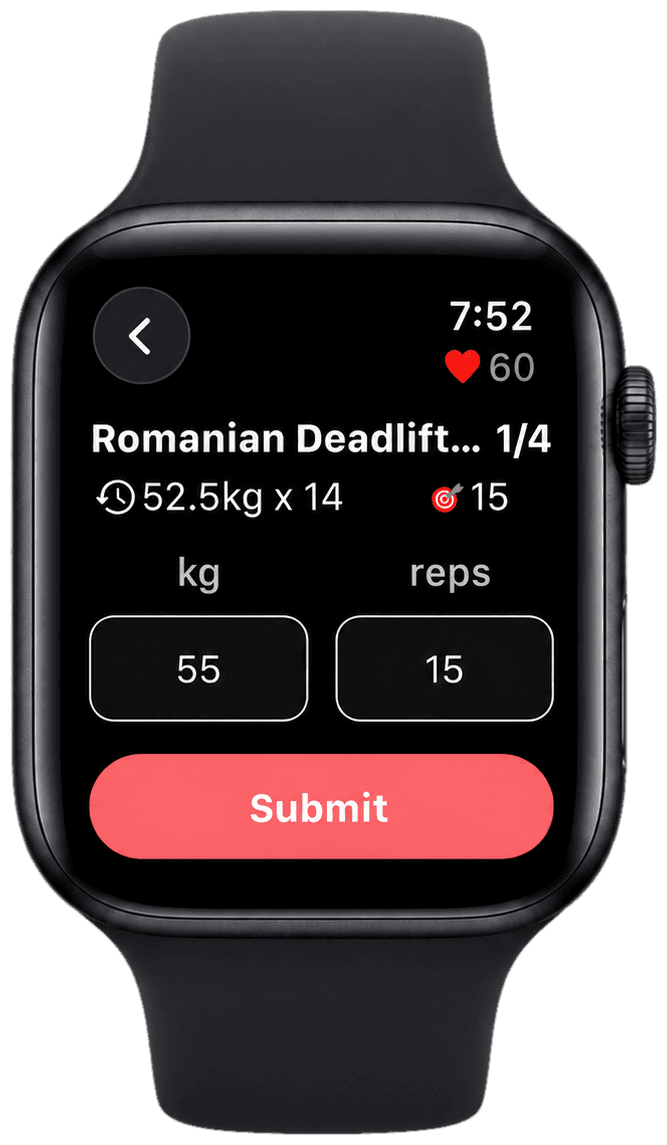
What to Track on Main Lifts
- Load used.
- Reps completed.
- RPE or effort.
- Whether the top set was a PR set.
- Bar speed or form notes if something was unusual.
- Pain or technical issues.
The top set is often the most important signal. If the prescribed work is completed but the final set slows badly across weeks, the training max may be too aggressive or recovery may be slipping.
What to Track on Assistance Work
Assistance work should support the main lift, not become a second max-effort program. Track exercise selection, sets, reps, load, and whether the movement is helping or harming recovery.
Olympian's exercise swap workflow matters here. Many lifters keep forcing the same assistance exercise even when it no longer fits their joints, equipment, or fatigue. A good swap keeps the training goal intact while changing the movement.
How Deloads Fit
5/3/1 values long-term consistency over reckless weekly maxing. Deloads are part of that mindset, especially when main lift performance drops, rep quality falls apart, assistance work interferes with recovery, or the training max has crept too high.
Olympian's built-in deload behavior can help prevent the common mistake: waiting until the whole block is cooked before reducing stress.
5/3/1 for Strength vs Size
One reason lifters like 5/3/1 is that the main lift structure can stay relatively stable while assistance work changes. For strength, keep assistance focused and recoverable. For hypertrophy, add more assistance volume where recovery allows.
Olympian's analytics help you see whether extra assistance work improves the main lift or quietly makes recovery worse.
5/3/1 At a Glance
- Week 1Base building
Set Weight Reps 1 65% 5 2 75% 5 3 85% 5+ - Week 2Progress
Set Weight Reps 1 70% 3 2 80% 3 3 90% 3+ - Week 3Intensify
Set Weight Reps 1 75% 5 2 85% 3 3 95% 1+ - DeloadRecover
Set Weight Reps 1 40% 5 2 50% 5 3 60% 5
Bottom Line
5/3/1 works best when the lifter respects the system: conservative training maxes, consistent main lift work, assistance that supports the goal, and deloads before fatigue ruins the block.
Olympian can make that easier by keeping the program inside a progression-based training workflow: workout logging, built-in progressions, rep targets, exercise swaps, deloads, analytics, coaching, and ranks.