Program Snapshot
| Item | How to think about it |
|---|---|
| Best for | Lifters choosing a 5/3/1 template by goal, recovery, and schedule. |
| Main decision | How much supplemental and assistance volume you can recover from. |
| Common options | Boring But Big, First Set Last, 5/3/1 for Beginners, and Building the Monolith. |
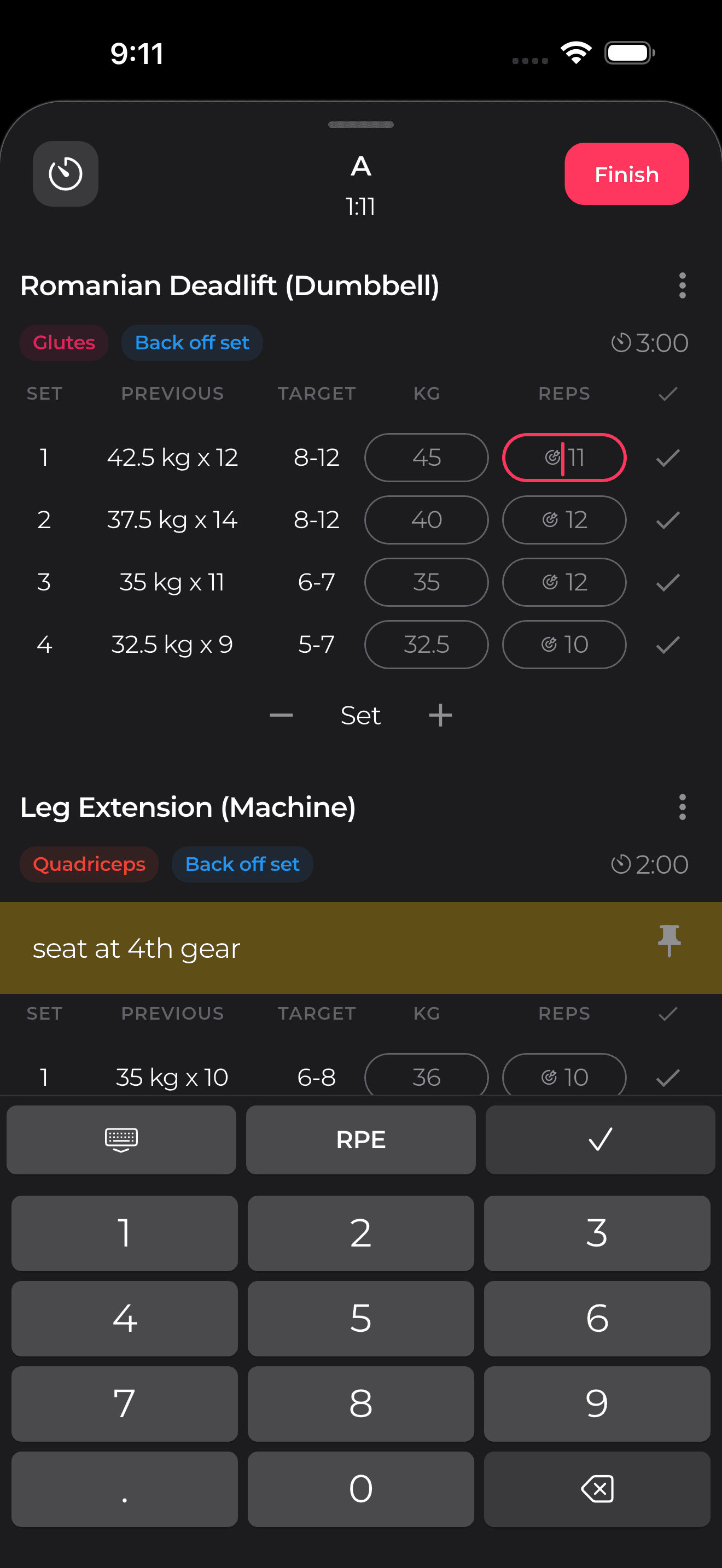
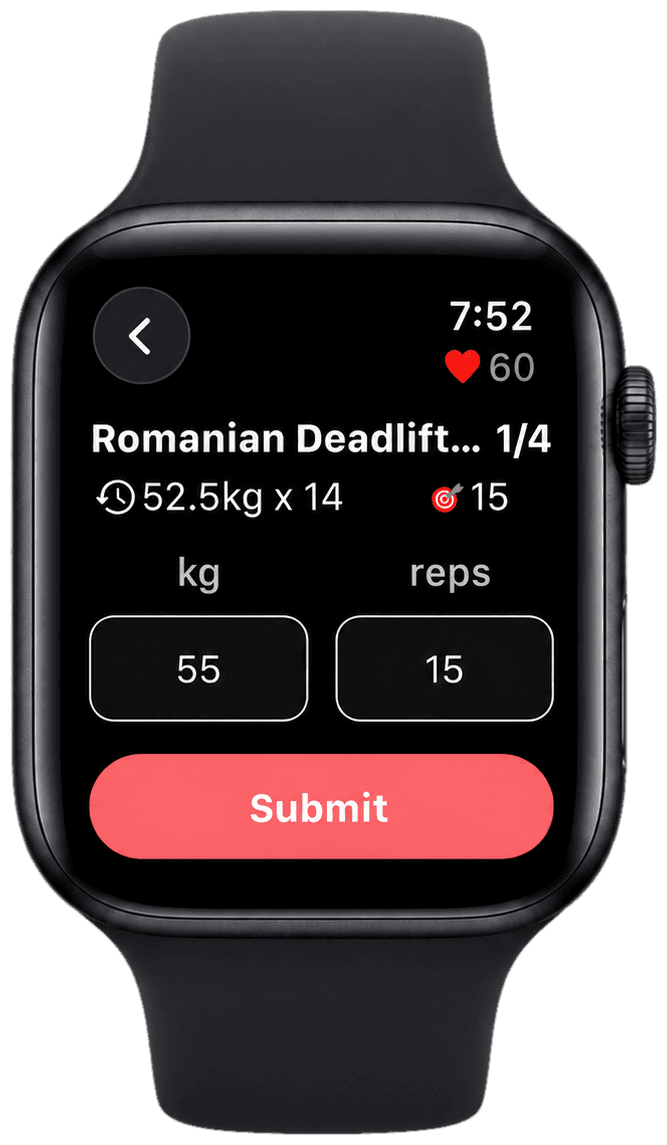
| Olympian angle | Use Special Progression for the main lift, then track supplemental and assistance work as separate workout items. |
| Important note | This is a practical comparison, not a replacement for Wendler's books or official material. |
Why There Are So Many 5/3/1 Variations
The main 5/3/1 idea is stable: train the big lifts from a conservative training max, build slowly, and avoid turning every week into a max test. The variations mostly change what happens around that main work.
- Supplemental work can be light, moderate, or brutally high volume.
- Assistance work can be minimal or a major hypertrophy driver.
- Frequency can be four separate lift days or three full-body days.
- Some templates are base-building plans, while others are short high-effort challenges.
That is why copying a random 5/3/1 table is not enough. Two plans can both be 5/3/1 and feel completely different in the gym.
Boring But Big
Boring But Big is the famous high-volume 5/3/1 assistance template. The usual idea is simple: do the main 5/3/1 lift, then do five sets of ten on the same lift or a close variation.
- Best for lifters who want more size work without abandoning the main strength progression.
- Works well when you can recover from repeated 5x10 barbell work.
- Needs conservative loading, especially for squat and deadlift assistance.
- Can be run as a three-day or four-day training week depending on the setup.
In Olympian, keep the main lift on Special Progression, then add the 5x10 supplemental lift as its own item. That keeps the heavy progression and the volume work readable instead of mixing them into one noisy exercise entry.
First Set Last
First Set Last uses the first work-set weight as supplemental work after the main lift. It is popular because it gives extra practice and volume without feeling as aggressive as Boring But Big.
- Best for lifters who want more main-lift practice with manageable fatigue.
- Useful when the top set matters, but you still need clean volume afterward.
- Often easier to recover from than high-rep BBB work.
- A strong default when you are unsure how much extra volume you can handle.
In Olympian, treat FSL as supplemental work attached to the main day. The main lift still gets Special Progression; the FSL sets can stay as a normal workout item so the volume does not rewrite the 5/3/1 progression itself.
5/3/1 for Beginners
5/3/1 for Beginners uses three full-body days per week and usually gives each session two main lift exposures. It is less about doing a beginner-only shortcut and more about giving newer lifters enough practice while still using the 5/3/1 philosophy.
- Best for newer lifters who can train three days per week.
- Uses more frequent practice of the main lifts than a simple four-day split.
- Pairs well with conservative training maxes and clean technique standards.
- Needs restraint on assistance work so the full-body days stay recoverable.
If you build this in Olympian, use separate workout days for the three full-body sessions. Each main lift can use Special Progression, while assistance work stays simple and easy to audit.
Building the Monolith
Building the Monolith is better treated as a demanding challenge template than a casual next step. It combines heavy main work with a lot of supplemental and assistance volume, so recovery, food, conditioning, and sleep matter more than usual.
- Best for experienced lifters who already know they tolerate high workload.
- Not a good first 5/3/1 variation if technique or recovery is inconsistent.
- Works best as a focused block, not an indefinite year-round plan.
- Needs honest tracking because volume can hide fatigue until it is expensive.
For Olympian, the useful move is to separate the plan into clean workout items: main lift progression, supplemental lifts, loaded assistance, and bodyweight assistance. That makes the block inspectable instead of just hard.
Which Variation Should You Pick?
| Variation | Choose it when |
|---|---|
| Boring But Big | You want hypertrophy volume and can recover from 5x10 supplemental work. |
| First Set Last | You want extra main-lift practice with a more moderate fatigue cost. |
| 5/3/1 for Beginners | You want three full-body days and more frequent lift exposure. |
| Building the Monolith | You want a hard short-term block and your recovery habits are already strong. |
The best variation is not the most impressive one on paper. It is the one you can run with good technique, realistic recovery, and clear progression for the whole block.
How Olympian Should Track 5/3/1 Variations
- Use Special Progression on the main 5/3/1 lift item.
- Keep supplemental work as separate items so BBB, FSL, and challenge volume remain visible.
- Keep assistance work recoverable instead of turning every accessory into a second program.
- Use deload behavior and trend history when top-set performance drops across the block.
- Review volume and strength trends together, because more work is only useful when it improves the main goal.
This is the main reason the website import should not just send a pile of generic sets. The app already has a Special Progression model for 5/3/1 main work, so the shared program should use that model and leave normal sets for the work that is actually normal sets.
Bottom Line
Boring But Big is the classic size-focused option. First Set Last is the steadier volume option. 5/3/1 for Beginners is the three-day full-body option. Building the Monolith is the demanding challenge block.
Pick based on recovery and goal, then track the plan in a way that preserves the structure: Special Progression for the main lift, clear supplemental work, and assistance that supports the block instead of burying it.