Bench Press Setup
A strong bench starts before the bar leaves the rack. Set your eyes near the bar, plant your feet, create upper-back tightness, and keep your shoulder blades pulled back and down. The exact arch depends on your body and goals, but the setup should feel stable.
Grip width should let your wrists stack over your elbows near the bottom while keeping the shoulder comfortable. Too narrow can turn the lift into a triceps-dominant press; too wide can irritate shoulders and reduce control.
Execution Cues
- Unrack with the upper back still tight instead of reaching the shoulders forward.
- Lower the bar under control to a consistent touch point.
- Keep wrists stacked and elbows controlled rather than flared aggressively.
- Press back toward the rack while keeping the chest high.
- Use leg drive to support the press, not to bounce your hips off the bench.
Programming The Bench
Most lifters bench better with more than one exposure per week. One day can be heavier or more specific, while another uses volume, paused reps, dumbbells, incline pressing, or close-grip work. The goal is enough practice to improve without letting shoulder or elbow stress dominate the week.
| Goal | Useful bench work |
|---|---|
| Strength | Heavy sets of 3-6, paused reps, close variations, careful load progression. |
| Hypertrophy | Moderate sets of 6-12, dumbbell or machine presses, enough chest volume. |
| Technique | Paused reps, tempo work, consistent touch point practice. |
Progression And Plateaus
Bench press stalls are common because upper-body load jumps are proportionally large. Use smaller increases when possible, progress reps before load, and pay attention to total pressing volume across bench, overhead press, dips, and triceps work.
If your bench stalls while accessories are exploding, recovery might be going to the wrong place. If everything stalls, fatigue or setup inconsistency may be the bigger issue.
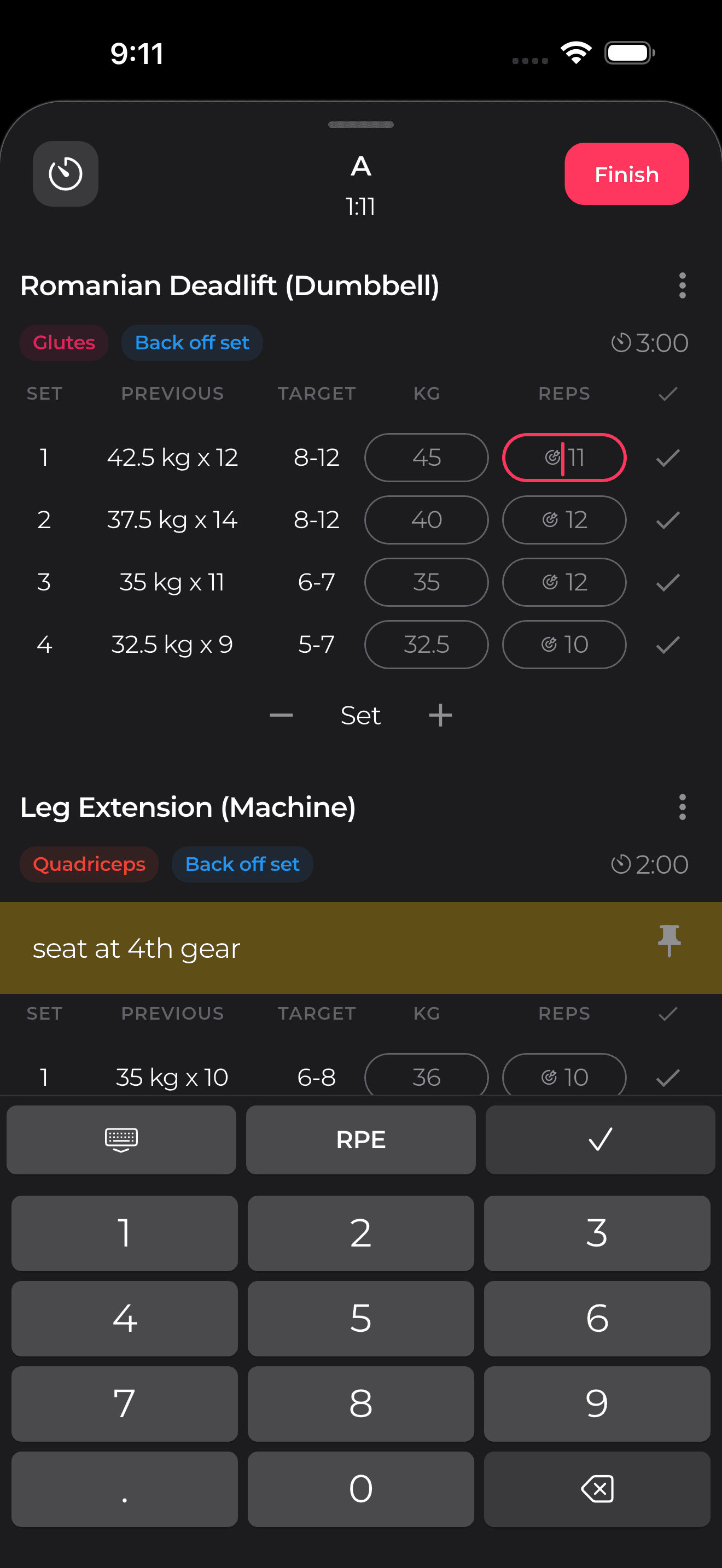
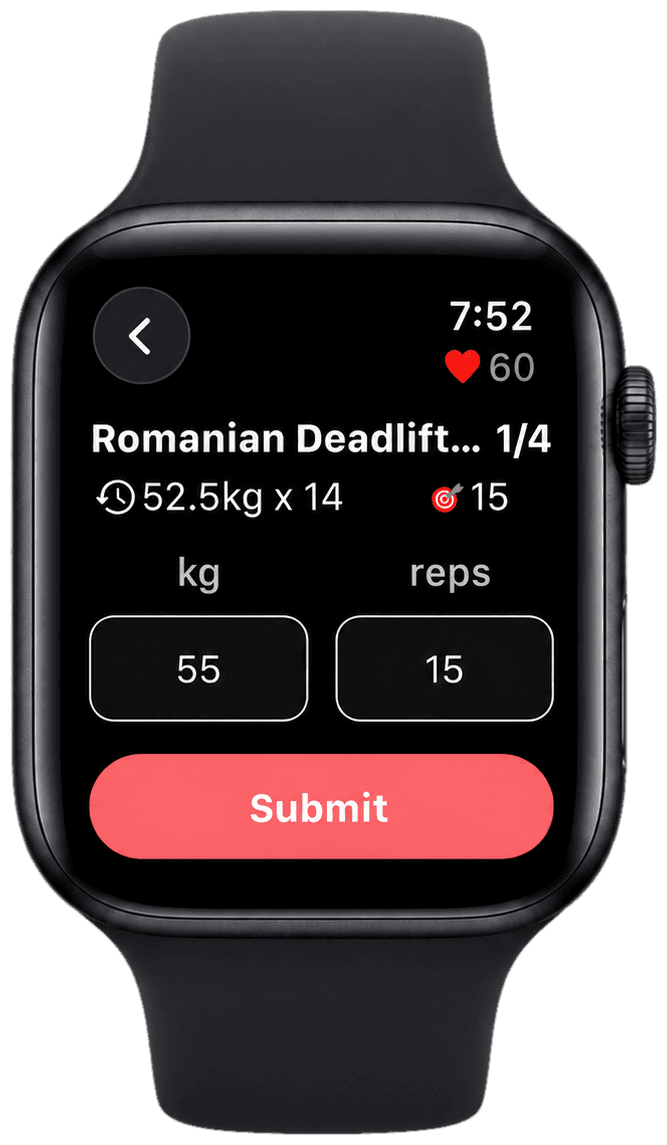
Tracking Bench Press In Olympian
Use Olympian to keep bench variations, rep targets, progression rules, and notes together. Track whether missed reps happen at the chest, mid-range, or lockout. Over time, those notes help decide whether to adjust technique, choose a variation, deload, or add targeted assistance.