Deadlift Setup
A good deadlift setup puts the bar over the midfoot, the torso braced, the lats tight, and the hips in a position where the legs and back can work together. If the bar rolls forward before the pull starts, the setup is already leaking force.
Your exact hip height depends on limb lengths and deadlift style. Do not force someone else's position. The right setup lets the bar leave the floor without your hips shooting up first.
Bracing And Pull Mechanics
- Create pressure through the trunk before the pull.
- Pull slack out of the bar instead of jerking from a loose position.
- Keep the bar close to the body.
- Push the floor away while keeping the lats engaged.
- Lock out by standing tall, not by leaning back excessively.
Programming Deadlifts
Deadlifts can build strength quickly, but they also create fatigue quickly. Many successful programs use fewer hard deadlift work sets than squat or bench work. The lift is heavy, technical, and systemically demanding.
| Approach | Use When |
|---|---|
| One heavy top set | You need strength practice without too much volume. |
| Back-off sets | You can recover from extra pulling volume. |
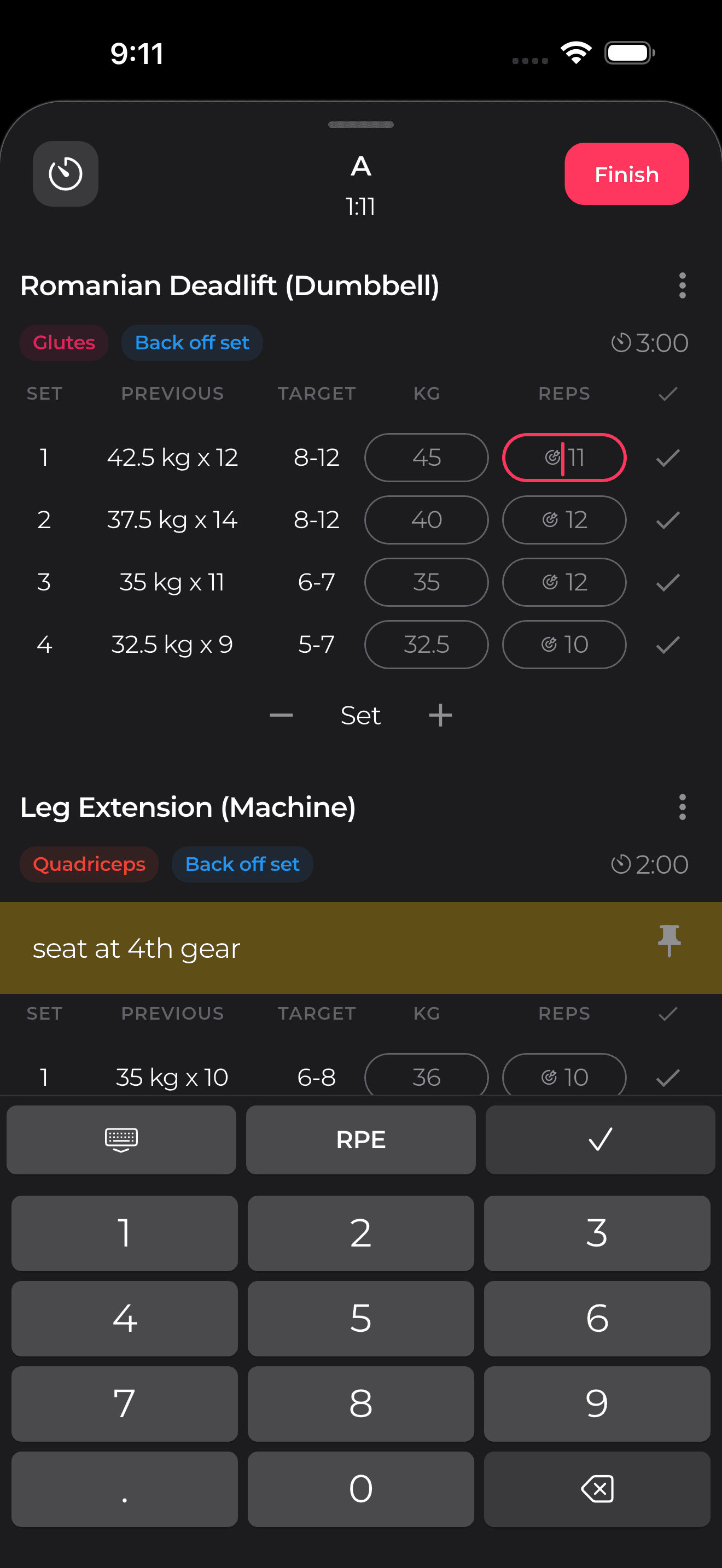
| Romanian deadlift | You want hamstring and hip-hinge volume with lighter loads. |
| Paused deadlift | You need better position off the floor. |
Progression And Fatigue
The deadlift often does not tolerate the same weekly progression pressure as smaller lifts. If reps slow dramatically, back position changes, or warm-ups feel heavy for several sessions, repeating the load or deloading may be smarter than forcing a jump.
Watch the rest of the program too. Heavy rows, squats, hip hinges, and high-volume leg work all influence deadlift recovery.
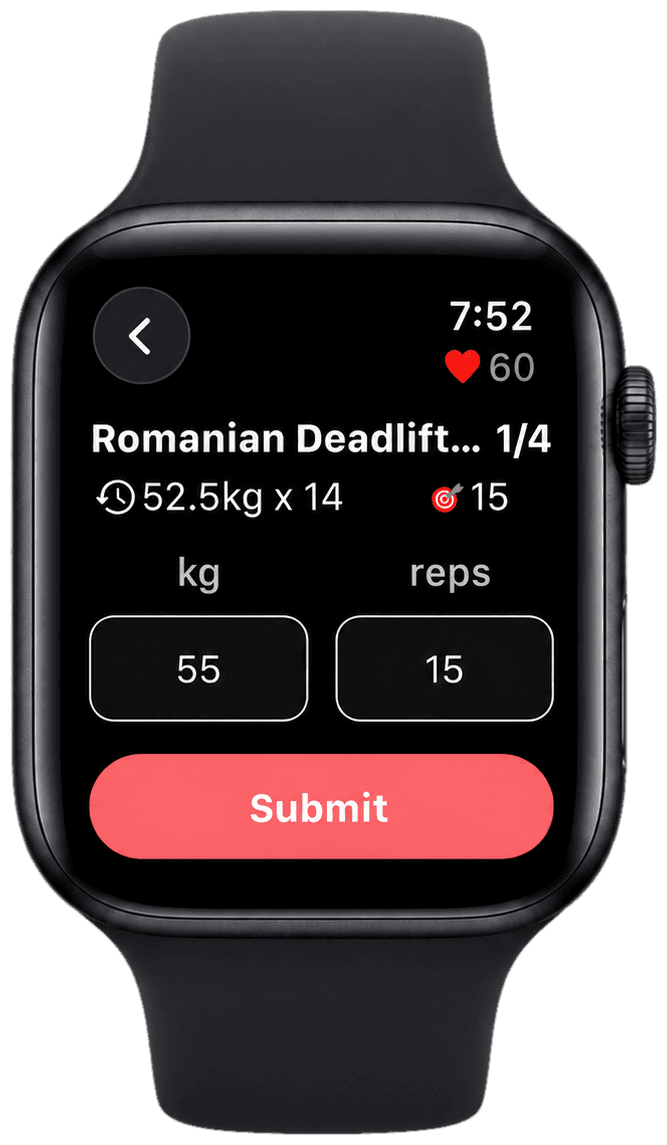
Tracking Deadlifts In Olympian
Use Olympian to track not only the top set but also warm-up feel, rep quality, and how deadlifts affect the next lower-body session. The app's progression and deload logic helps keep the lift productive without turning every week into a grind.